How to produce a fashion campaign in Sri Lanka: a guide for international brands
23 October 2026 · 4 min read
A practical guide to producing a fashion photoshoot in Sri Lanka, from the first brief and location scout to casting, crew, permissions, travel and delivery.
Begin with a production brief, not a supplier list
A clear brief lets every later choice work harder. Before asking for locations or day rates, define the campaign idea, required assets, intended markets, usage period, dates, working budget and who will travel.
For a first conversation, a brief or moodboard is enough. The producer can then identify the questions that change the shape of the job: stills or motion, number of looks, hero frames versus content volume, model profile, location moves, specialist equipment, drone work, remote approvals and whether products will enter Sri Lanka temporarily.
The earlier these are visible, the more accurately the local team can design the day.
Put one local producer at the centre
An international shoot quickly becomes a network of separate conversations: casting, locations, hotels, transport, crew, equipment, permissions and product shipping. A local production partner turns those threads into one plan.
TMA's production offer sits naturally beside its model agency. Casting and production can move together, while photographers, motion crew, styling, hair and make-up, equipment and suppliers are assembled around the creative brief.
That does not mean forcing every project into one package. It means one accountable point of contact can see how a casting change affects the fitting, how a location move affects the light, or how an import delay affects the schedule.
Scout the whole day
A beautiful reference image is only the start of location scouting. A production scout also needs to understand access, permission, power, changing space, shade, sound, public movement, vehicle positions, meal space, weather cover and the time required to move the unit.
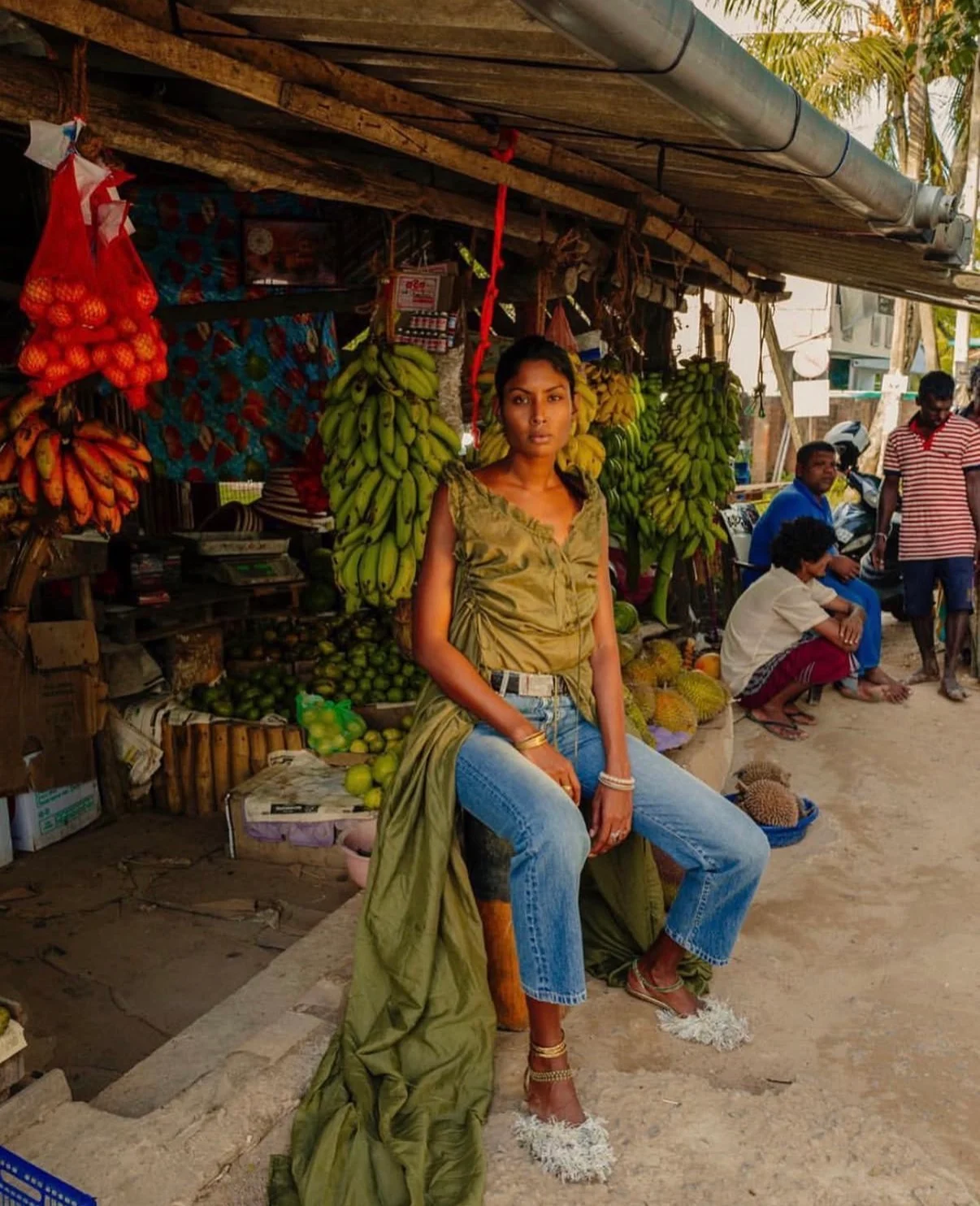
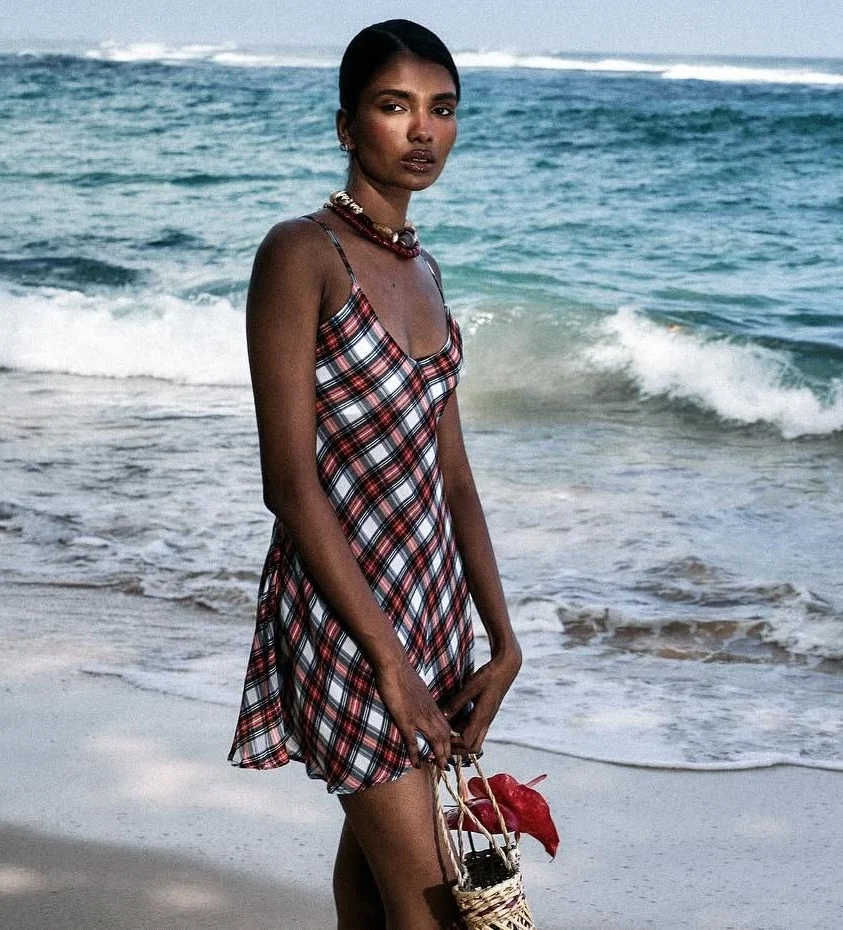
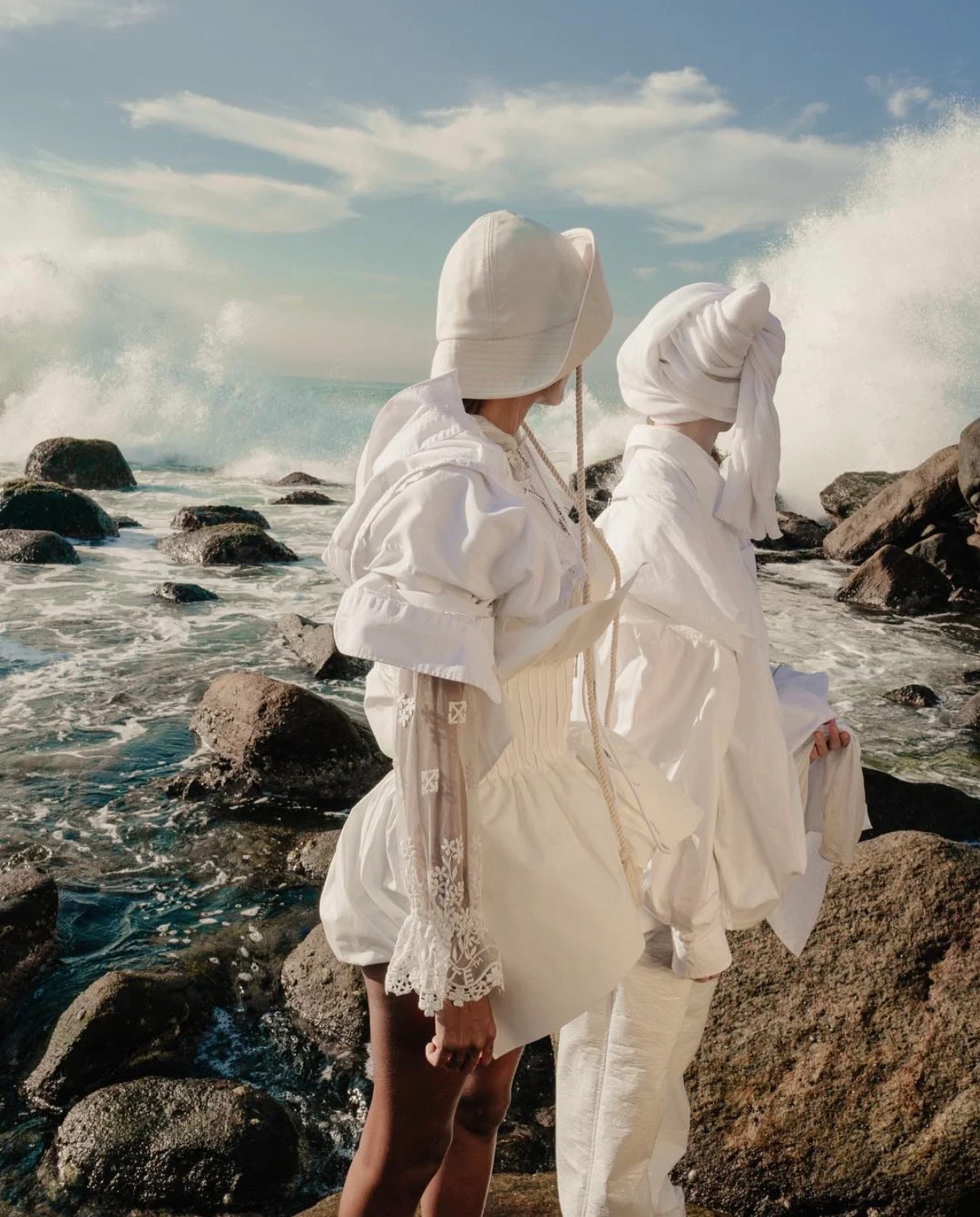
Sri Lanka offers a broad location range: coast and villas in the south, historic Galle, contemporary and older layers of Colombo, tropical gardens and modernist homes, and the cooler hill country around the tea estates. The best combination is not always the longest list. Two well-connected locations often create more usable work than a day spent chasing distance.
Cast for the market and clear the usage
The casting brief should include more than age and measurements. Share the brand world, customer, energy, intended territories, media, duration and any category exclusivity.
TMA can cast from its women's and men's boards and extend the search when the brief requires it. Options can be presented digitally before travel, with fittings scheduled once the collection and final selects are clear.
Usage belongs in the production conversation from the start. A global paid campaign, a regional organic social launch and a six-month e-commerce use are different agreements. Clear terms protect the brand, model and agency and prevent a rushed negotiation after the image already exists.
Build the right crew, not the largest crew
Fashion production is often strongest when the team is precise. The photographer, lighting approach, styling, hair and make-up, digital capture, motion coverage and production support should all follow the asset list.
An international photographer can travel and work with a local crew, or the full team can be sourced in Sri Lanka. Equipment availability and technical requirements should be checked early. If specialist equipment is travelling, its temporary-import route needs to be planned before the flight, not discussed at the baggage carousel.
Treat permissions and customs as part of pre-production
Commercial photography, filming, heritage sites, protected areas, drones and public locations can involve different permissions. Foreign productions may also need an approved local partner and production clearances. The exact route depends on the project and can change, so TMA will confirm the current requirements with the relevant authorities and specialist partners rather than rely on a generic checklist.
Products and professional equipment need the same discipline. Samples sent for a campaign are not ordinary personal baggage. Their value, purpose and whether they will be re-exported can affect the customs route, duties, documentation and lead time. For some temporary imports an ATA Carnet may be relevant; other goods need a different process. Confirm the route before dispatch.
Plan for the weather you have, not the weather on the moodboard
Sri Lanka can offer sun, cloud and rain in the same production week, with conditions varying across the island. A strong schedule uses local knowledge rather than one nationwide weather assumption.
That may mean choosing the coast by season, placing the most weather-sensitive scene first, holding an interior or covered option, or protecting a contingency window. The backup should still belong to the campaign world. It is not a lesser image waiting in case the real one fails.
Look after the travelling team
Good hospitality is part of production efficiency. Airport welcomes, realistic travel times, the right hotel or villa, dietary planning, safe transport and a clear daily schedule all affect the work on set.
For teams arriving from Australia, the UAE, Qatar, Europe or the United States, TMA can help coordinate the on-island journey from arrival to departure. The goal is simple: the visiting team spends its attention on the campaign, not on solving the island around it.
Close the production properly
The last frame is not the end of the job. Products need to be checked, packed and routed onward or home. Locations and suppliers need to be closed out. Media needs a named handover, and the brand needs clarity on what is complete and what follows next.
Share your brief with TMA and we will turn these moving parts into one Sri Lanka production plan.